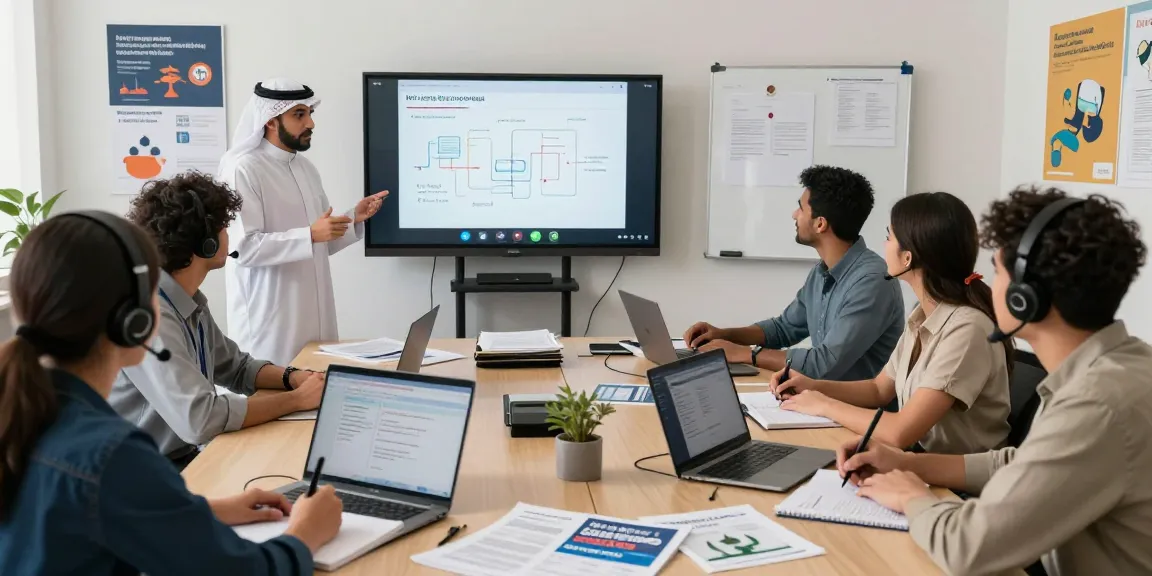
Understanding the Job Market Trends in 2026
As we navigate through 2026, the job market is witnessing significant shifts influenced by technology, societal changes, and evolving employee expectations. The concept of หางาน has transformed from traditional methods to a more dynamic and multifaceted approach, with both job seekers and employers adapting to new realities. Understanding these trends provides valuable insights that can assist both applicants and organizations in effectively navigating this landscape.
Current Trends in Job Search (หางาน) Strategies
The job search strategies have evolved dramatically over recent years. Applicants now rely heavily on digital tools and platforms to find opportunities. Job portals, AI-driven job recommendations, and social media have become indispensable in the search for employment. Additionally, the emphasis on remote work has opened avenues for candidates who may not have previously considered jobs outside their local area.
- Online Applications: The majority of employers now prefer candidates to apply online, streamlining the hiring process.
- Video Interviews: The shift to remote work has normalized video interviews, making them a standard part of many recruitment processes.
- Real-time Feedback: Companies are increasingly using applicant tracking systems that provide immediate feedback to candidates.
Key Industries Hiring in 2026
As the economy evolves, certain industries are experiencing robust growth, creating numerous job opportunities. Sectors such as technology, healthcare, renewable energy, and logistics are at the forefront. These industries are not only hiring in vast numbers but are also seeking specialized skill sets that cater to modern demands.
- Technology: With the rapid advancement of AI and machine learning, tech companies are on the lookout for individuals skilled in these areas.
- Healthcare: The demand for healthcare professionals remains high, particularly in telehealth services and mental health support.
- Renewable Energy: As sustainable practices gain traction, jobs in solar and wind energy are expected to rise significantly.
Challenges Faced by Job Seekers Today
Despite the abundance of opportunities, job seekers face several challenges that can hinder their success. High competition, the need for up-to-date skills, and biases in hiring processes are among the primary hurdles. Furthermore, candidates often struggle with highlighting their unique value propositions amidst a sea of applicants.
Effective Techniques for Job Hunting (หางาน)
Utilizing Online Job Portals
Online job portals are vital tools for job seekers, providing access to a wide array of available positions. Websites such as JobThai, JobsDB, and others list thousands of jobs updated daily, making it easier to apply for positions that match your qualifications and interests. Navigating these platforms effectively can significantly increase your chances of securing employment.
Networking Strategies to Enhance Visibility
Networking remains one of the most effective strategies for job hunting. Building connections within your industry can lead to opportunities that may not be advertised publicly. Attending industry conferences, participating in workshops, and engaging on professional networks like LinkedIn can enhance your visibility and allow you to tap into the hidden job market.
Creating an Impactful Resume and Cover Letter
An impactful resume and cover letter are essential for standing out in a crowded job market. Tailoring your application materials to reflect the requirements of the job description and showcasing your achievements can significantly improve your chances of getting noticed. Focus on quantifiable results and specific examples of your contributions to past employers.
Leveraging Social Media for Job Opportunities
Building a Professional Profile on LinkedIn
LinkedIn is a powerful tool for job seekers looking to build a professional online presence. By keeping your profile updated, connecting with industry peers, and sharing insights related to your field, you can enhance your visibility to recruiters. Regular engagement on this platform can also lead to job opportunities directly from hiring managers.
Engaging in Industry-specific Groups and Forums
Joining industry-specific groups on social media platforms allows you to participate in discussions and gain insights into current hiring trends. Engaging with these communities can also lead to networking opportunities and potentially job offers, as many employers post openings directly in these forums.
Strategies for Posting Your Job Search on Social Platforms
When posting about your job search on social media, it's essential to be strategic. Use appropriate hashtags related to your industry, express your career aspirations clearly, and ensure your posts convey professionalism. Engaging with your network by sharing content relevant to your field can keep you top-of-mind for potential opportunities.
Preparing for Job Interviews in 2026
Researching Prospective Companies and Roles
Before an interview, thoroughly researching the company and the specific role is crucial. Understanding the organization's culture, values, and recent developments can provide valuable context during your interview responses and demonstrate your interest in the position. Use platforms like Glassdoor to find company reviews and insights.
Common Interview Questions and How to Answer Them
Preparing for common interview questions is essential for success. Standard inquiries such as “Tell me about yourself” and “What are your strengths and weaknesses?” require thoughtful, concise responses that reflect your experiences and personality. Practicing these responses can help you communicate your qualifications confidently.
Post-interview Etiquette and Follow-up Strategies
After an interview, sending a follow-up email is a crucial step that many candidates overlook. A short, polite note thanking the interviewer for their time and reiterating your interest in the position can set you apart from other candidates. This gesture shows professionalism and may leave a lasting impression.
Future Trends in Employment and What They Mean for Job Seekers
The Rise of Remote Work and Flexible Job Options
The shift to remote work, accelerated by the COVID-19 pandemic, is likely to continue. Many organizations have recognized the benefits of flexible working arrangements, leading to an increase in remote job postings. Job seekers should consider how to position themselves for these roles and emphasize their ability to work independently and manage time effectively.
Emerging Technologies Reshaping Job Roles
Technological advancements are continuously reshaping job roles across industries. As automation and AI take over routine tasks, there will be a greater demand for skills in data analysis, strategic thinking, and creative problem-solving. Staying abreast of these trends will help job seekers align their skills with future job requirements.
Preparing for the Future of Work: Skills Development
Ongoing skills development is crucial for staying competitive in the job market. Job seekers should actively seek opportunities for upskilling or reskilling to adapt to the evolving demands of employers. Online courses, workshops, and certifications can enhance your skill set and position you as a strong candidate.
What Are the Chances of Finding Jobs (หางาน) in Different Regions?
The availability of job opportunities often varies by region. Urban areas typically offer a wider range of job postings due to the concentration of businesses and industries. However, with the rise of remote work, geographical limitations are beginning to diminish. Job seekers are encouraged to consider roles that may allow for remote work, broadening their options significantly.
How Can You Adapt to the COVID-19 Impact on Job Searches?
COVID-19 has fundamentally changed the job search landscape. Candidates must be adaptable, utilizing online resources and networking opportunities to stay informed about market changes. Emphasizing flexibility in work preferences and a willingness to learn new skills can also make candidates more attractive to employers in this post-pandemic world.
Is the Gig Economy the Future of Employment?
The gig economy is becoming an increasingly viable option for many. With freelance work and short-term contracts on the rise, job seekers should consider diversifying their career paths by exploring gig opportunities. However, it’s crucial to approach this transition with an understanding of the trade-offs involved, such as the lack of stability and benefits usually provided by traditional employment.